
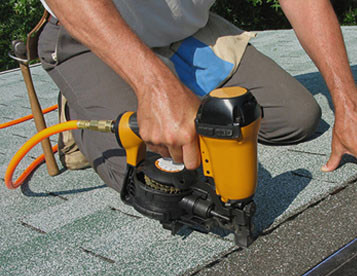
Choosing the best roof shingles for your home is not just about looks or price. It’s about how well that material stands up to intense sun exposure, temperature swings, seasonal monsoons, and strong desert winds. With over 20 years of experience working on roofs across the Valley, our team at Right Way Roofing sees firsthand how different shingle materials age in Arizona’s climate.
This 2026 guide breaks down the most common roof shingle options, explains how they perform locally, and ranks them based on durability, efficiency, appearance, and long-term value for Arizona homeowners.
What Are Roof Shingles?
Roof shingles are individual overlapping roofing materials installed in rows to protect your home from weather exposure. They are commonly made from asphalt, fiberglass-reinforced asphalt, tile, wood, or organic materials. Together with the underlayers of your roof, shingles form a durable roof system that helps shield your home from heat, rain, wind, and UV damage.
The quality and composition of your roof shingles play a major role in how well your roof performs over time. Stronger materials resist cracking, curling, and moisture intrusion, while better insulation properties can help regulate indoor temperatures.
Asphalt-based shingles still cover a majority of homes in the United States, but their popularity doesn’t always mean they’re the best choice for every climate. Arizona’s intense summer heat and weather patterns require a closer look at how each shingle roof type truly performs.
How We Rank the Best Types of Roof Shingles
1. Fiberglass Shingles
Fiberglass shingles are the top-ranked roofing option for Arizona homes in 2026 for their ability to withstand extreme heat, UV exposure, and monsoon weather. These shingles use a fiberglass mat base coated with asphalt and protective granules, creating a stronger material than traditional asphalt-only shingles.
The fiberglass reinforcement also helps limit cracking, allowing the roof to maintain its shape and last longer. With a reasonable cost and wide availability, fiberglass shingles are one of the most reliable shingle roof types for Arizona’s desert climate.
Pros of Fiberglass Shingles
- Durability: When properly maintained, fiberglass shingles often last 25 years or more.
- Heat Adaptability: The reinforced structure helps reduce cracking and granule loss caused by expansion and contraction.
- Weather Resistance: These shingles hold up well against sun exposure, heavy rain, and high winds.
- Efficient Installation: Most projects are completed quickly with minimal disruptions.
Cons of Fiberglass Shingles
- Aging shingles may break down or curl in high-exposure areas.
- Severe storms with strong winds can loosen fiberglass shingles.
- Granule loss over time can reduce UV protection as your roof ages.
2. Asphalt Shingles
Asphalt shingles rank second due to their affordability, availability, and long-standing use in residential roofing. These shingles are made primarily from asphalt-saturated mats and finished with protective granules to help them last longer.
While asphalt shingles provide solid overall performance, they lack the added reinforcement found in fiberglass shingles. In Arizona, this can make them more susceptible to heat-related wear over time. Even so, their lower upfront cost and dependable protection keep them a popular and practical option for many homes.
Pros of Asphalt Shingles
- Cost-Effective: Asphalt shingles are one of the most affordable roofing materials available, making them a practical option for homeowners working within a defined budget.
- Quick Installation: Asphalt shingles are able to be installed quickly and efficiently, which helps reduce disruption to your home and daily routine.
- Reliable Protection: When properly installed, asphalt shingles provide dependable resistance against sun exposure and seasonal rain.
- Fire Resistant: Many asphalt shingles are manufactured to meet standard fire safety ratings, adding an extra layer of protection for your home.
Cons of Asphalt Shingles
- Standard asphalt shingles are more vulnerable to wind uplift during monsoon season.
- Temperature extremes can shorten the lifespan of asphalt shingles compared to reinforced fiberglass options.
- These shingles have fewer design variations than tile or wood roofing options.
3. Tile Shingles
Tile shingles rank third for our Arizona shingle roof types due to their exceptional longevity and distinctive appearance. Commonly made from clay or concrete, tile shingles are closely associated with Spanish, Mediterranean, and Southwestern architectural styles.
Beyond appearance, tile shingles also perform well in hot climates. Lighter-colored tiles can reflect heat, which may help reduce attic temperatures and keep your home cool in the summer months. It’s a long-term investment, and it requires a roof structure capable of supporting the added weight. They also have a higher upfront cost compared to shingle-based systems.
Pros of Tile Shingles
- Exceptional Durability: Tile roofs often last for several decades and can outlast many other roofing materials when properly installed and maintained.
- Heat Resistance: Tile shingles perform well under constant sun exposure, making them a strong option for Arizona’s hot climate.
- Distinctive Appearance: Tile roofing complements Spanish and Southwestern home designs commonly found throughout Arizona.
- Low Routine Upkeep: While individual tiles may occasionally need replacement, the overall roofing system is highly durable and long-lasting.
- Desert-Friendly Aesthetics: Tile shingles pair naturally with Arizona landscaping and architectural styles, enhancing curb appeal.
Cons of Tile Shingles
- Tile shingles are heavier and require proper structural support.
- They tend to have a higher upfront cost than traditional shingle roofs.
- Individual tiles may crack and need replacement over time.
4. Wood Shingles
Wood shingles rank fourth on the list due to their natural appearance and energy-efficient qualities, balanced against higher maintenance and fire-related considerations. Typically made from cedar or redwood, wood shingles offer a textured, organic look that stands apart from manufactured materials.
In Arizona, wood shingles can perform well if they’re properly treated and maintained, especially in drier areas. They provide natural insulation and can help regulate attic temperatures. However, routine maintenance is essential to protect against weathering, pests, and algae growth.
Pros of Wood Shingles
- Long Lifespan: Wood shingles can last between 30 and 50 years when properly installed and cared for.
- Natural Insulation: Wood shingles provide natural insulation that can help improve your home’s overall energy efficiency.
- Sustainability: They are often sourced from renewable materials, making them a more environmentally conscious roofing choice.
- Distinct Appearance: Wood shingles offer a warm, natural aesthetic that stands out from manufactured roofing materials.
Cons of Wood Shingles
- These shingles require regular protective treatments.
- They can be susceptible to pests, rot, and algae if not maintained.
- They can have lower fire resistance compared to other roofing materials.
5. Organic Shingles
Organic shingles were originally manufactured using a felt mat made from recycled materials like paper, wood fibers, and rags, which were then saturated with asphalt. While they were once a common roofing option, advances in roofing technology have largely replaced them with more durable materials.
In Arizona’s climate, organic shingles tend to absorb moisture more easily and are less resistant to prolonged heat exposure. Areas that experience monsoons, high humidity, or seasonal snow often see faster deterioration with this shingle roof type.
Pros of Organic Shingles
- Lower Upfront Cost: Organic shingles are one of the least expensive shingle options available, which can appeal to homeowners focused on initial cost.
- Energy Efficiency: Their thicker composition can offer some insulation for your home, helping improve indoor temperatures.
Cons of Organic Shingles
- They often have a shorter lifespan than fiberglass or asphalt shingles.
- These heavier shingles place more stress on your roof structure.
- They can be more prone to water damage and costly repairs over time.
See how this list compares to our 2017 best shingles ranking!
Find the Right Shingle for Your Roof
Choosing the best roof shingle for your home depends on your location, budget, and long-term goals. Arizona’s climate presents unique challenges, and the right material can make a significant difference in how well your roof performs over time.
At Right Way Roofing, we offer free roof inspections to help homeowners evaluate their current roof and determine which shingle options make the most sense for their property. We offer extensive roofing repair, replacement, and installation services that protect your home and boost curb appeal.
Get in touch with our team today to learn more about your options and schedule your next service.