
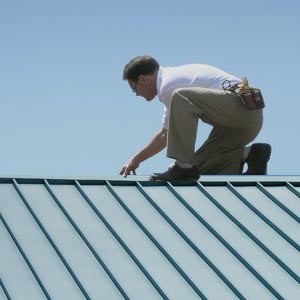
Roof damage isn’t always obvious after a leak, storm, or other problem appears. A professional roof inspection identifies visible damage and areas of concern, so you have a clearer picture of your roof’s condition.
Right Way Roofing inspects and services tile, shingle, flat, and foam roofs throughout Arizona. Our team has experience addressing damage from heat, UV exposure, and monsoon storms. Here’s what Arizona homeowners should know about what is included in a roof inspection, the problems it may uncover, and what to expect from the process.
Checklist: What is included in a roof inspection?
- Roofing materials: Inspectors check shingles, tiles, flat roofing, or foam for cracks, missing materials, deterioration, and other visible damage.
- Flashing and drainage: The inspection covers flashing, seals, roof penetrations, gutters, edges, and drainage areas where water problems may develop.
- Structure and moisture: Inspectors look for concerns with the roof deck and structural components, along with attic or interior signs of leaks, moisture, or ventilation problems.
What Does a Roof Inspector Actually Check?
A residential roof inspection covers the visible roofing system, drainage, structural areas, and signs of moisture or damage. Inspectors look at each component together to understand the roof’s overall condition.
Roofing Surface Materials
Inspectors check shingles for missing, cracked, or curling areas and uneven granule loss. They also look for broken or slipped tiles, blistering or separation on foam roofs, and pooling or bubbling on flat roofs.
Arizona’s repeated heating and cooling cycles may contribute to cracked or shifted roofing materials. Right Way Roofing works with tile, shingle, flat, and foam roofs, so our team knows what to look for across different roofing systems.
Flashing, Seals, and Roof Penetrations
Flashing protects transitions around chimneys, skylights, vents, pipes, valleys, and walls. Inspectors check these areas for lifted or separated flashing, corrosion, deteriorated sealant, and gaps that may allow water to enter.
Arizona heat and UV exposure also wear down exposed sealants over time. For example, cracked sealant around a plumbing vent may create a small opening for moisture.
Gutters, Downspouts, and Drainage
Inspectors check gutters for loose attachment, debris, corrosion, and proper water flow through downspouts. Granules collecting in gutters may also indicate shingle wear when considered alongside the roof’s overall condition.
Not every Arizona home has gutters. In those cases, inspectors check roof edges and fascia for staining, deterioration, or other signs of drainage problems.
Roof Deck and Structural Components
Inspectors evaluate the roof surface for soft or unusually flexible areas that may indicate deterioration underneath. They also check visible ridges, hips, and valleys for sagging, movement, or other irregularities.
From the attic, inspectors may identify water staining, rot, previous repairs, or visible damage to rafters and framing.
Attic and Interior Moisture Check
The attic provides another view of the roof’s condition. Inspectors look for moisture stains, mold or mildew, damaged insulation, visible gaps in the decking, and ventilation concerns.
Arizona’s intense attic heat makes proper ventilation especially important. Inspectors also look for signs of prolonged heat or moisture stress that may affect the roofing system.
What Problems Can a Roof Inspection Uncover?
A roof inspection does not usually result in a simple pass or fail. Instead, the inspector identifies deficiencies and determines which areas need maintenance, repair, or closer evaluation.
A roofing inspection checklist covers:
- Sagging or structural concerns: Sagging rooflines or uneven areas may point to problems with the decking or supporting structure.
- Deteriorated roof decking: Soft areas, rot, or water staining may indicate moisture damage beneath the roofing materials.
- Damaged roofing materials: Missing shingles, cracked tiles, or damaged flat and foam roofing may leave the roof vulnerable to further damage.
- Failed flashing: Loose, separated, or deteriorated flashing may allow water to enter around roof transitions and penetrations.
- Leaks and moisture intrusion: Water stains, damp materials, mold, or other moisture signs may indicate an active or previous leak.
- Drainage problems: Ponding water, clogged drainage areas, or improper water flow may contribute to roof deterioration.
These findings do not automatically mean you need a new roof. The roof’s age, material, overall condition, and extent of the damage determine whether monitoring, repair, or replacement makes sense.
What to Expect During and After a Roof Inspection
The inspection process varies based on your roof’s size, design, accessibility, and condition. Right Way Roofing inspectors access the roof in person when conditions allow, rather than relying only on a ground-level assessment.
What the Inspector Does On-Site
The inspector checks the roofing materials, flashing, penetrations, drainage, ridges, edges, and accessible attic areas. Close-up access reveals small cracks, surface deterioration, flashing problems, and other concerns that may not appear from the ground.
What You Receive After the Inspection
After the inspection, your inspector explains the findings and identifies areas that may need attention, maintenance, or monitoring. Schedule a free roof inspection with Right Way Roofing to get a professional assessment of your roof.
How Often Should You Get a Roof Inspection in Arizona?
Regular inspections identify developing roof problems before they become more extensive. The National Roofing Contractors Association recommends inspecting your roof at least twice a year, with additional inspections after severe weather.
After a Storm
High winds, hail, and wind-driven debris may damage shingles, tiles, flashing, and other roofing components. Consider an inspection after a significant storm if you notice missing materials, debris impacts, leaks, displaced flashing, or other visible damage.
Before Buying or Selling a Home
A roof inspection before listing gives sellers an opportunity to identify roofing concerns before a buyer’s general home inspection. Buyers may also request a roofing contractor inspection when the general inspection raises concerns about the roof’s age or condition.
If an inspection reveals significant damage, understanding roof replacement costs provides useful context for the potential investment.
Roof Inspection FAQs
What will fail a roof inspection?
Roof inspections identify deficiencies rather than assigning a simple pass or fail. Major concerns include sagging, damaged decking, active leaks, failed flashing, and severe roofing damage.
What is included in a roof inspection?
An inspection covers roofing materials, flashing and seals, drainage, roof decking, structural components, and accessible attic areas for moisture and ventilation concerns.
How much does a roof inspection cost?
Costs vary based on roof size, accessibility, contractor, and inspection type. Right Way Roofing offers free roof inspections for Arizona homeowners and businesses.
What are red flags during a roof inspection?
Red flags include a sagging roofline, moisture staining, visible decking gaps, damaged shingles or tiles, active leaks, and separated flashing.
What does a shingle roof inspection checklist include?
A shingle roof inspection checklist covers missing, cracked, or curling shingles, uneven granule loss, flashing, drainage, decking, and signs of moisture.
Does a roof inspection check the underlayment?
Inspectors look for signs of underlayment damage or deterioration that may affect how long your roof lasts, although intact roofing materials may conceal some conditions.