
Key Takeaways:
- Average roof lifespan in Arizona: Asphalt shingles last 15–25 years, tile roofs 40–50+ years, and foam roofs 20–30 years with proper maintenance.
- Roof lifespan varies by material: In Arizona, roof lifespan depends on whether you have asphalt shingles, tile, or foam roofing, as well as installation quality and maintenance.
- UV exposure accelerates wear: Arizona’s intense sunlight breaks down roofing materials over time, while extreme heat and temperature changes add stress.
- Regular maintenance matters: Routine inspections and timely repairs protect roofing materials and extend your roof’s service life.
Arizona’s intense sunshine takes a toll on roofs, especially in Phoenix, where prolonged UV exposure and extreme summer heat contribute to early deterioration. Homeowners often don’t notice the damage until shingles crack, protective coatings wear down, or roof leaks develop.
With over 20 years of experience serving Phoenix-area homeowners, Right Way Roofing understands how Arizona’s climate affects different roofing systems. Below, we’ll cover how long common roofing materials last, how UV exposure affects them, and how you can extend your roof’s lifespan.
How Long Does a Roof Last in Arizona?
The average roof lifespan in Arizona depends on the roofing material, installation quality, maintenance, and exposure to the state’s harsh climate. Asphalt shingles, tile, and foam roofing respond differently to prolonged sunlight and extreme temperatures.
| Roofing Material | Typical Lifespan* | How Arizona’s Climate Affects It |
|---|---|---|
| Asphalt shingles | 15–25 years | UV exposure and heat contribute to granule loss, brittleness, and cracking. |
| Concrete and clay tile | 40–50+ years | Tiles resist UV damage, but the underlayment often needs replacement before the tiles wear out. |
| Spray foam (SPF) | 20–30 years | Protective coatings shield the foam from UV damage and require periodic maintenance. |
*These are general estimates, not guaranteed lifespans. Actual performance varies by roofing system and maintenance history.
Why Arizona Shortens Your Roof’s Lifespan
Phoenix’s intense sunlight exposes roofs to high levels of UV radiation, especially during summer. Over time, UV exposure breaks down certain roofing materials, while extreme daytime heat and cooler nighttime temperatures cause repeated expansion and contraction. Together, these conditions accelerate wear on shingles, protective coatings, sealants, and other roofing components.
How UV Radiation and Heat Damage Arizona Roofs
UV radiation breaks down the chemical bonds in roofing materials over time. Phoenix’s intense sunlight and repeated temperature changes accelerate this process, making UV exposure and heat two major factors influencing roof lifespan.
UV Damage and Asphalt Shingle Roof Lifespan
Asphalt shingles contain petroleum-based compounds that gradually oxidize when exposed to UV. Over time, shingles lose flexibility, become brittle, and develop cracks. Heat adds further stress, shortening a shingle roof’s lifespan.
Granules protect asphalt shingles from direct sunlight, but they gradually wear away. Homeowners should check their gutters for excessive granule buildup after monsoon season, as significant granule loss may indicate aging shingles.
UV Damage and Tile Roof Lifespan
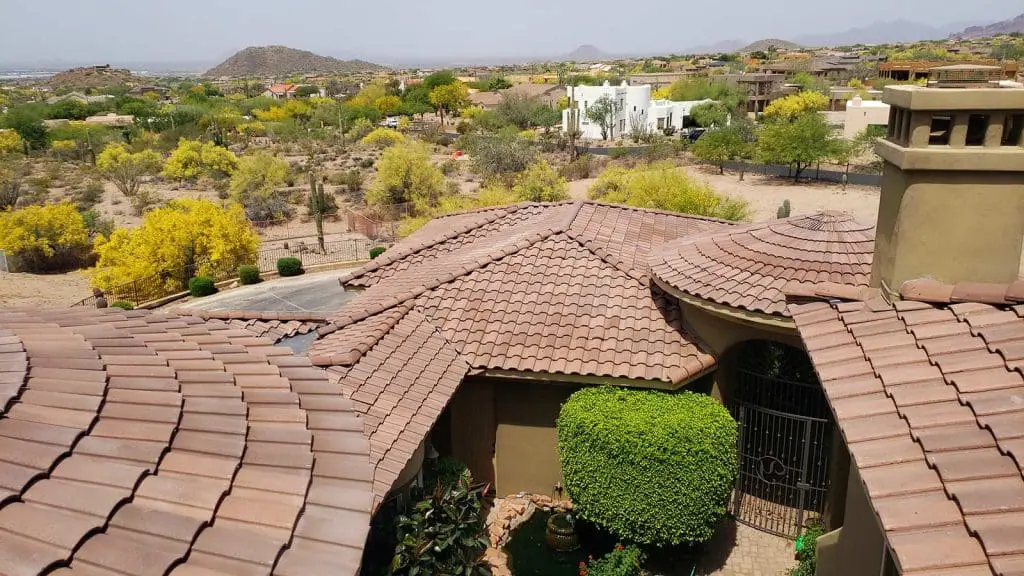
Concrete and clay tiles generally resist UV exposure better than asphalt shingles, but the materials beneath them still deteriorate over time. Heat, moisture, and aging affect the underlayment, especially when damaged or displaced tiles expose it.
This means your tile roof lifespan differs from your tile underlayment lifespan. The tiles may remain in good condition even when the underlayment needs replacement.
Thermal Cycling: The Hidden Multiplier
Arizona’s daytime heat and cooler nighttime temperatures repeatedly cause roofing materials to expand and contract. This process, known as thermal cycling, stresses roofing components over time.
Repeated movement may loosen fasteners, weaken flashing connections, and crack sealants around roof penetrations. Combined with UV exposure, these changes increase the risk of leaks and premature roof deterioration.
Factors That Shorten (or Extend) Arizona Roof Life
The main factors that influence roof lifespan in Arizona’s climate include:
- Roof Color and Reflectivity: Darker roofing materials absorb more heat, while reflective materials and coatings reduce surface temperatures.
- Attic Ventilation: Poor ventilation traps heat in the attic, placing additional stress on roofing materials.
- Installation Quality: Improperly installed shingles or tiles leave vulnerable roofing components exposed to UV rays and moisture.
- Regular Maintenance: Routine inspections identify cracked sealants, displaced tiles, and granule loss before problems worsen. Schedule a free roof inspection with Right Way Roofing to check for damage.
- Monsoon Damage: Strong winds and rain can worsen existing roof damage, especially on aging materials. Review our guide to storm damage roof repair for common warning signs.
Signs Your Arizona Roof Is Aging Faster Than It Should
Arizona’s intense UV exposure and heat accelerate roof wear. Watch for these common signs of deterioration:
- Granule loss in gutters: Excessive shingle granules in gutters, especially after monsoon season, may signal aging or UV damage.
- Cracked or curling shingles: Brittle, cracked, or lifting shingles often appear on sun-exposed roof slopes.
- Chalking or fading tiles: Fading, chalking, or surface cracks may indicate wear on concrete tile coatings.
- Cracked flashing sealants: UV exposure and heat weaken sealants around vents, chimneys, and other roof openings, increasing leak risks.
- Visible daylight in the attic: Gaps around roof openings or displaced materials may indicate damage that needs inspection.
If your roof shows multiple signs of aging, review our guide to Arizona roof replacement cost to understand what affects replacement pricing.